Montessori Curriculum in Chicago, IL
A Curriculum Designed for Real Early Learning
At Casa dei Bambini Montessori of Mayfair, children ages 2–6 do more than participate in activities throughout the day. Our Montessori curriculum gives children opportunities to develop specific academic, practical, cognitive, and social abilities that help prepare them for kindergarten and continued learning.
Practical Life
Independence, Coordination and Responsibility
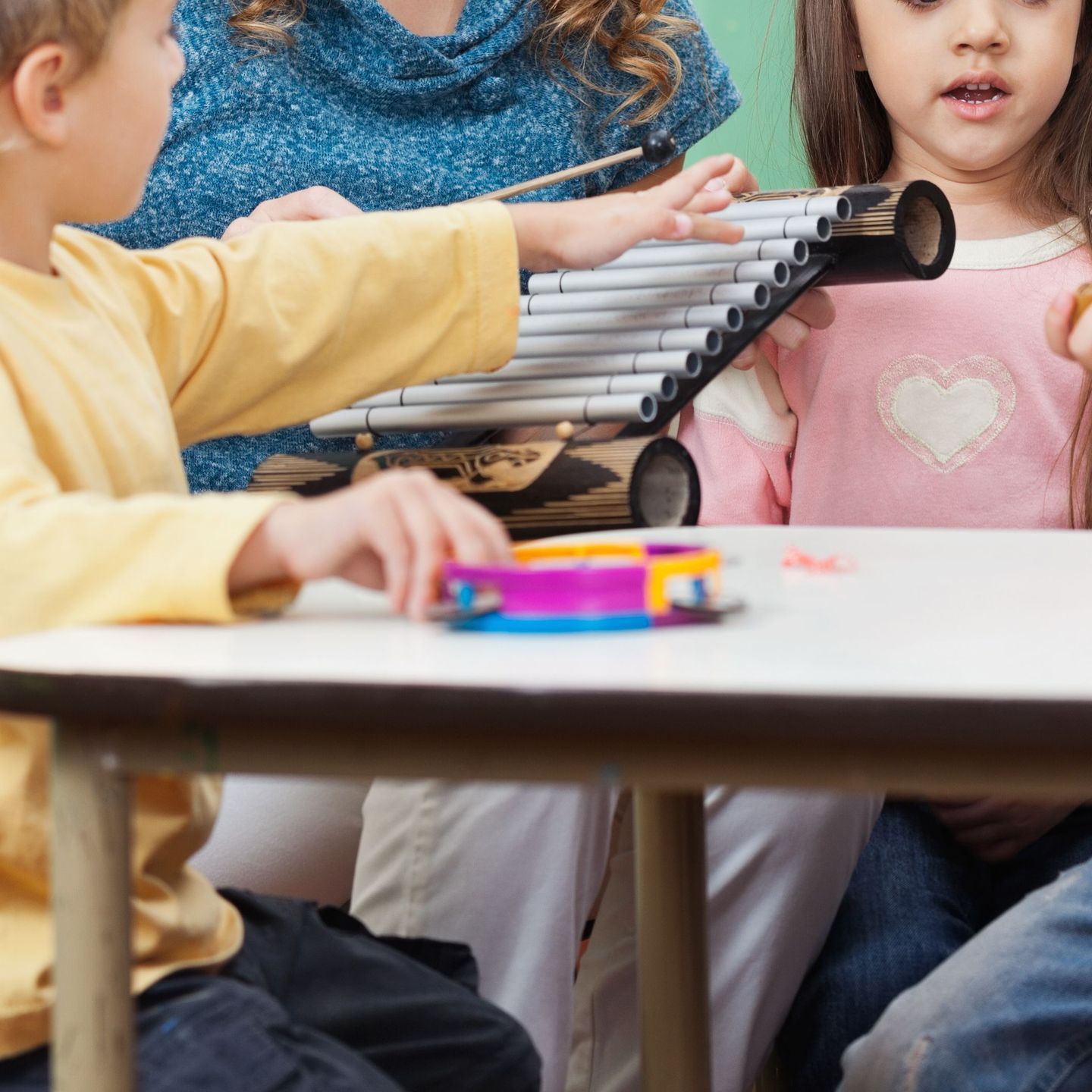
Practical Life helps children develop greater control over everyday tasks and their environment. Children practice completing activities in an organized sequence, using materials carefully, maintaining order, and becoming less dependent on adults for age-appropriate tasks.
This area supports:
Fine & gross motor coordination
Following multi-step processes
Care for oneself & environment
Concentration & attention
Organization & order
Independence & responsibility
Practical Life also prepares children for academic learning. A child who can concentrate, follow a sequence, handle materials carefully, and finish a task is developing habits that transfer naturally into language, mathematics, and future classroom work.
Sensorial
Learning to Observe, Compare and Classify
Sensorial education helps children organize information they receive through their senses. Children explore characteristics such as size, shape, dimension, texture, sound, and other observable qualities.
They learn to notice differences and similarities, compare characteristics, recognize relationships, and organize information. These experiences strengthen visual and sensory discrimination while encouraging careful observation.
Sensorial learning also supports later academic concepts. Recognizing patterns, ordering information, identifying differences, and understanding relationships are useful foundations for mathematics, language, science, and problem-solving.
Language
Communication and Early Literacy Development
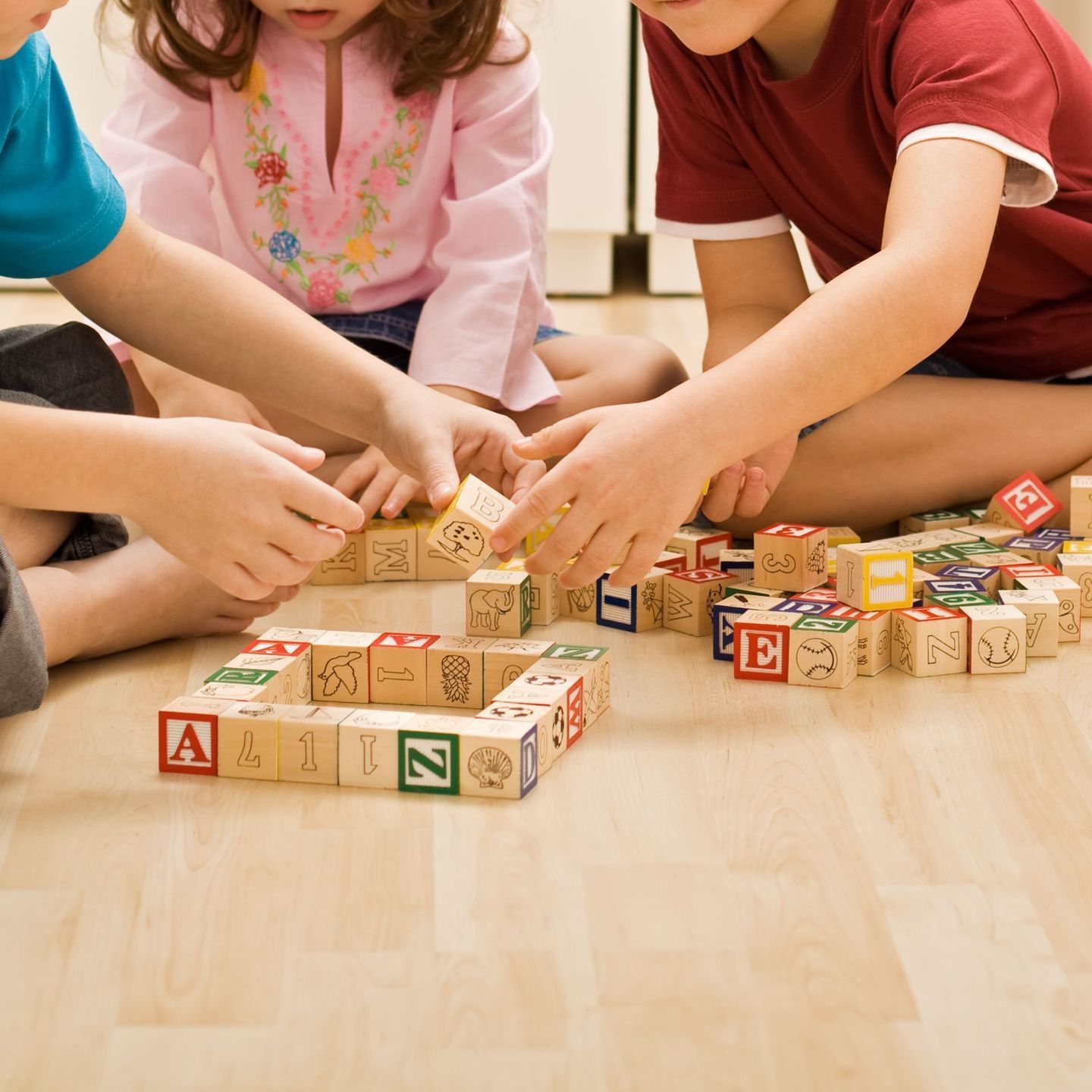
Language learning begins with a child’s ability to listen, understand, communicate, and build vocabulary. Our Montessori environment gives children opportunities to strengthen spoken language while developing foundations that support later reading and writing.
Depending on their developmental stage, children work toward:
Vocabulary development, listening and comprehension
Expressing ideas clearly
Recognizing and working with language patterns
Early sound and letter awareness
Foundations for reading and written communication
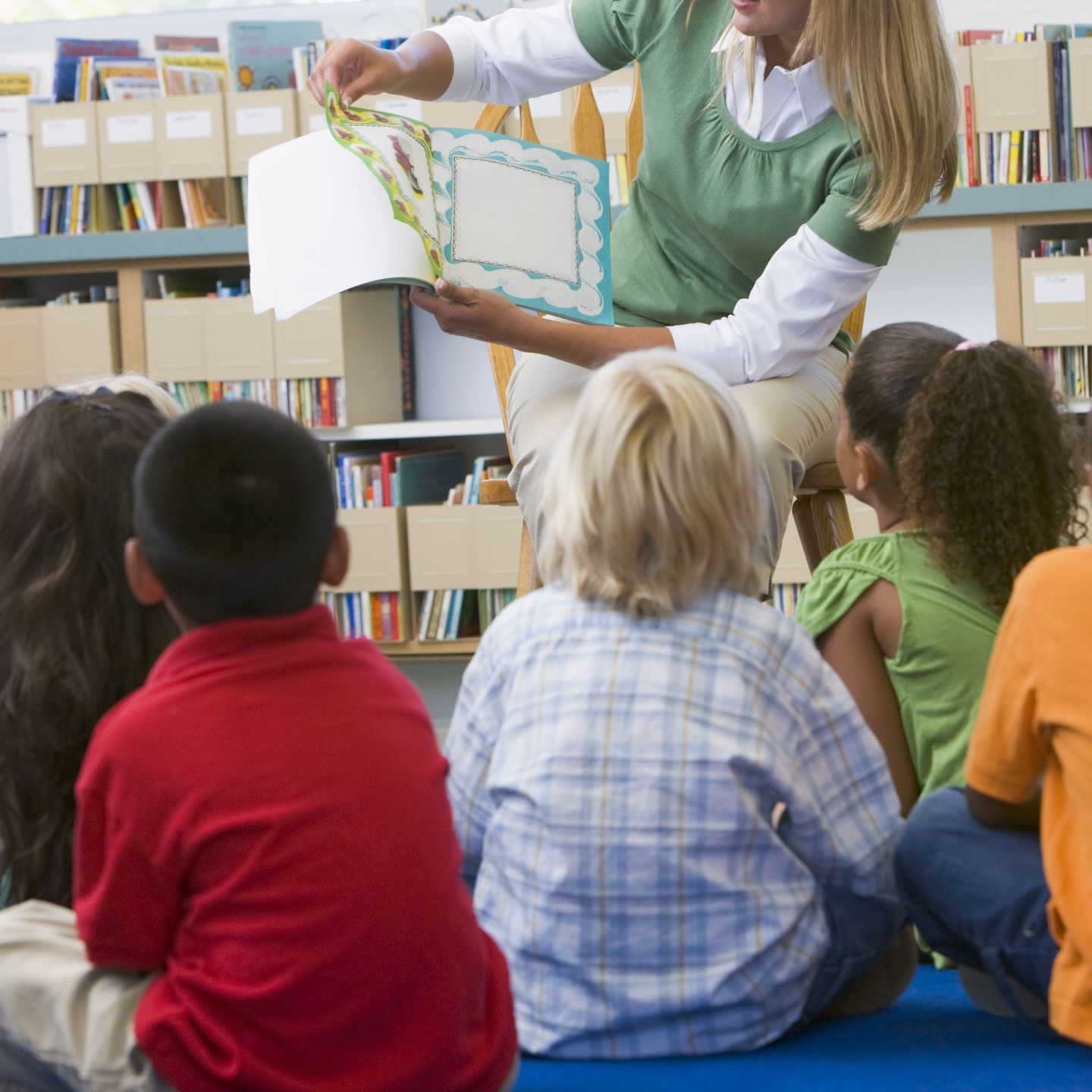
Language is also developed naturally through conversations, classroom interactions, stories, and communication. The objective is not simply to memorize information, but to gradually build the ability to understand language and use it confidently.
Mathematics
From Concrete Understanding to Early Math Skills
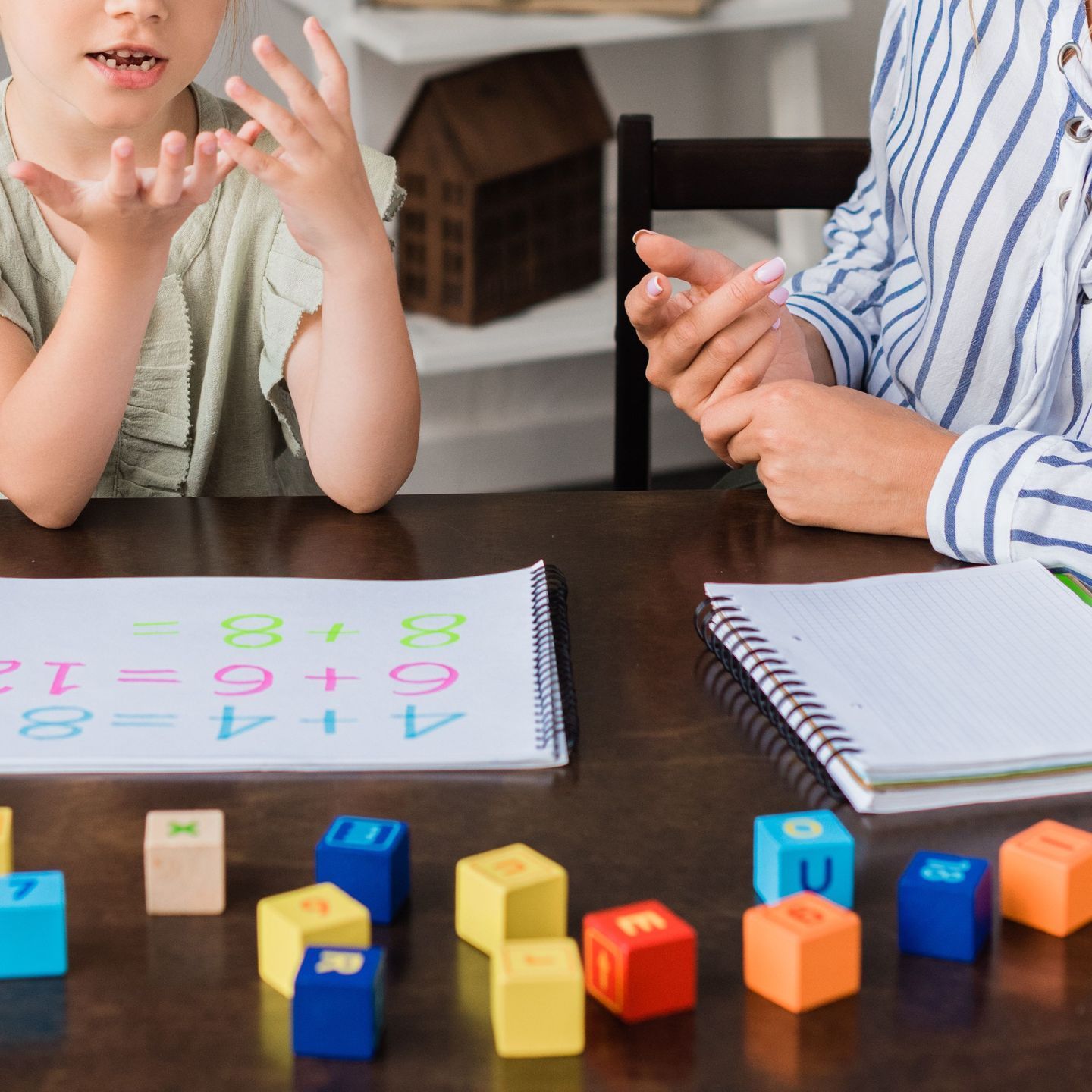
Montessori mathematics helps children experience mathematical ideas in a way they can see and work with before those ideas become increasingly abstract. Early learning can include understanding quantity, order, sequence, comparison, number relationships, and mathematical patterns.
Children strengthen skills related to:
Number awareness
Counting & sequence
Recognizing relationships
Quantity awareness
Comparing amounts
Logical thinking & problem-solving
Hands-on exploration gives children opportunities to understand what a mathematical concept represents rather than relying only on memorized answers.
Cultural Studies
Science, Nature, Geography and the Wider World
Young children ask questions because they want to understand the world around them. Cultural Studies gives that curiosity an educational direction.
Children can explore age-appropriate concepts connected with science, nature, geography, people, places, and the environment. These experiences encourage children to observe closely, ask questions, identify relationships, and develop an interest in subjects beyond early literacy and mathematics.
Cultural learning helps children begin seeing themselves as part of a larger world while nurturing the curiosity that motivates continued learning.
Families can explore our Age Groups page to find the program that best matches their child or visit our Curriculum page to learn more about the Montessori areas incorporated into the school day.
Building the Skills Children Need for Kindergarten
Kindergarten readiness is woven throughout our curriculum. Language and mathematics provide academic foundations. Practical Life strengthens independence and concentration. Sensorial work develops observation and problem-solving. Cultural Studies encourages curiosity. Daily classroom experiences help children practice communication and positive social behavior.
"At Casa dei Bambini Montessori of Mayfair, we want children to leave an activity understanding more, doing more independently, and feeling increasingly confident about what they can accomplish."
Social Skills Are Part of the Curriculum
Children also need to learn how to function successfully around other people. A Montessori classroom gives children daily opportunities to practice appropriate communication, patience, respect, cooperation, and awareness of others.
They learn that independence does not mean ignoring the community around them. Instead, children can become capable of managing their own work while learning how their choices and behavior affect classmates.
These experiences support important kindergarten-readiness abilities, including participating in classroom routines, communicating needs, working near peers, respecting boundaries, and becoming comfortable within a group learning environment.
How Montessori Learning Progresses
Children ages 2–6 are not expected to learn the same concepts at the same level. Teachers observe each child’s development and guide them toward appropriate experiences. Children can repeat work as they develop understanding, concentration, accuracy, and confidence.
Younger Children: Concentrate heavily on coordination, communication, order, and basic independence.
Older Preschool/Pre-K: Ready for more advanced language, mathematical thinking, extended concentration, and greater responsibility.
Our educators bring more than 20 years of experience, and our lead teachers are certified by the American Montessori Society.
Explore the Right Program for Your Child
Your child’s curriculum should match where they are developmentally while helping them move toward what comes next. Explore our Age Groups to understand how Montessori learning develops between ages 2 and 6, or visit our Pre-K page to learn how the later preschool years support kindergarten preparation.