Montessori Pre-K in Chicago, IL
Meaningful Preparation for the Kindergarten Years
Pre-K is an important bridge between early childhood and kindergarten. During this stage, children are developing stronger academic abilities while also learning how to concentrate, communicate, solve problems, manage responsibilities, and participate confidently in a classroom.
Kindergarten Readiness Goes Beyond Letters and Numbers
Academic foundations matter, but kindergarten readiness involves the whole child. Children entering kindergarten can benefit from knowing how to listen, communicate ideas, follow routines, care for their belongings, work around classmates, remain engaged with an activity, and continue trying when something requires practice.
Language and early literacy foundations
Mathematical understanding
Concentration and attention
Problem-solving
Independence
Classroom responsibility
Communication
Social awareness
Building Stronger Language and Early Literacy Foundations
As kindergarten approaches, children are ready to deepen their understanding of language.
Pre-K learning can strengthen vocabulary, listening, comprehension, communication, and foundations for future reading and writing.
Children have opportunities to become more aware of language while developing confidence expressing their own ideas. Purposeful activities, conversation, classroom interactions, and increasingly advanced work can all contribute to this development.
The objective is not simply to memorize isolated information.
Children are building an understanding of how language works and developing the communication abilities they can use when they enter a more advanced academic setting.
Making Early Mathematics Meaningful
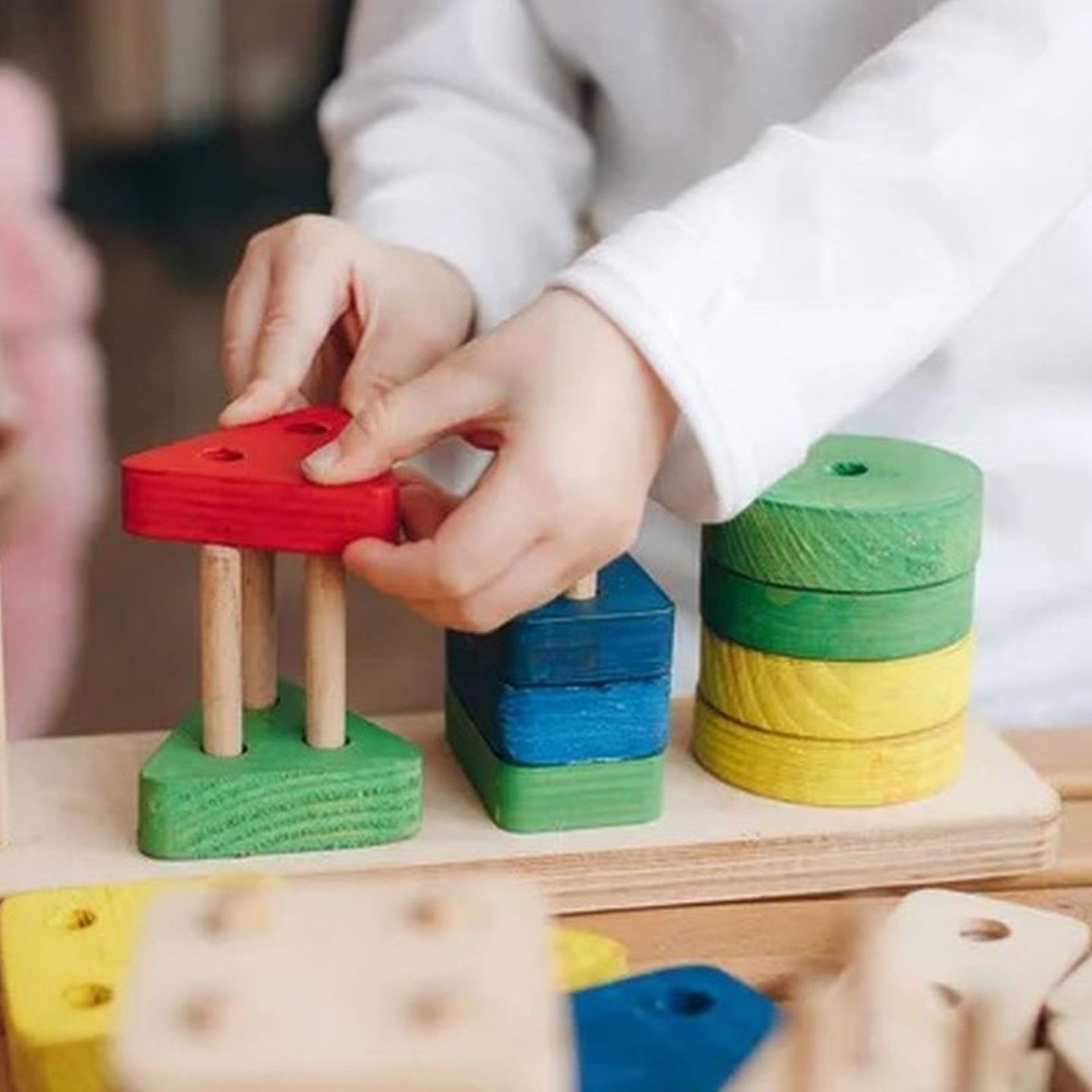
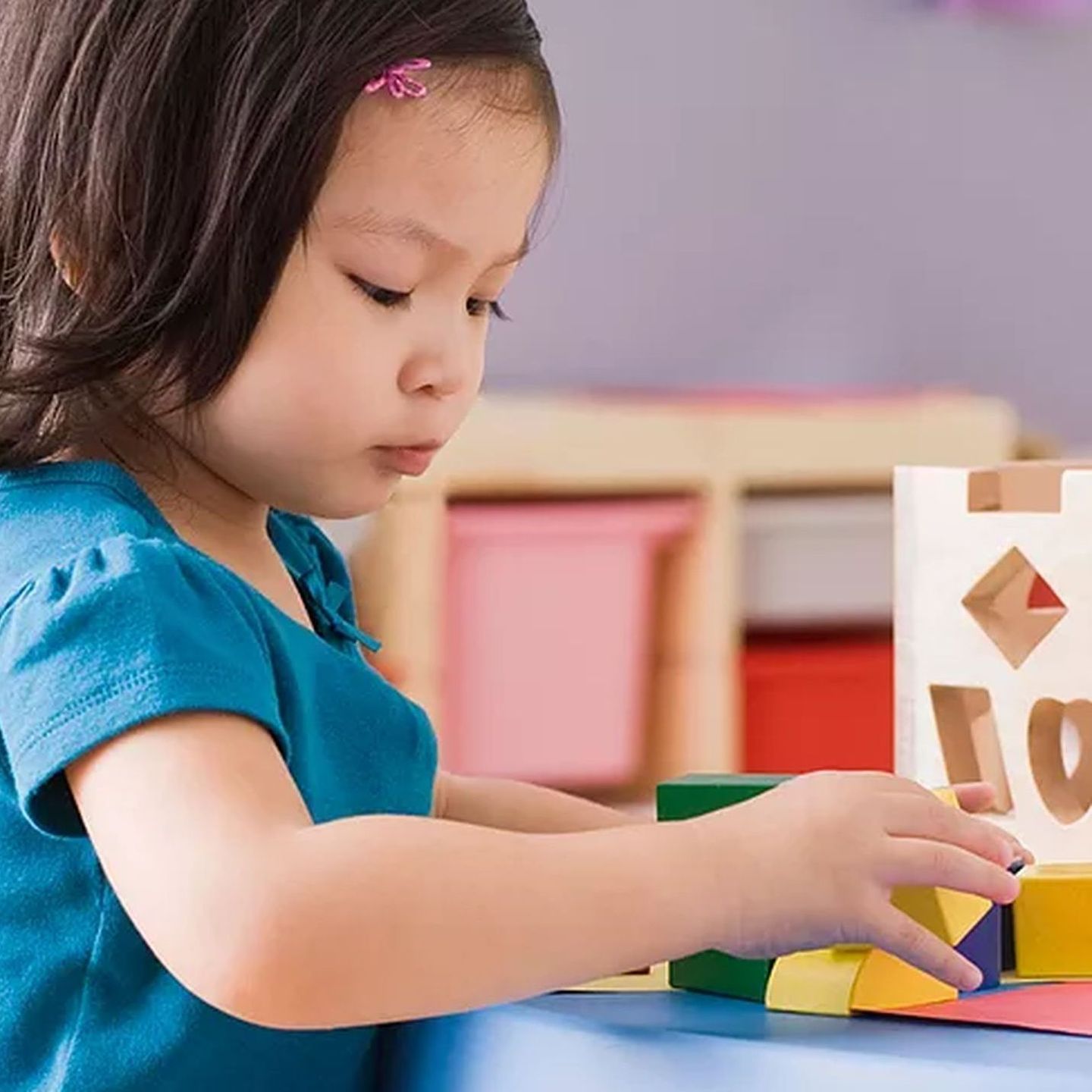
Children benefit from understanding what mathematical concepts mean rather than simply memorizing answers.
Montessori education introduces mathematical ideas through concrete, purposeful experiences before children are expected to rely increasingly on abstract concepts.
During Pre-K, children can continue developing understanding related to numbers, quantity, order, sequence, comparison, patterns, and mathematical relationships.
They have opportunities to observe, compare, organize information, recognize relationships, and think through problems.
These experiences can establish stronger foundations for the increasingly advanced mathematics children will encounter in kindergarten and elementary school.
Independence That Supports Classroom Success
Academic ability is valuable, but children also need the confidence to participate in their own learning.
Montessori education gives children regular opportunities to make appropriate choices, care for materials, organize their work, complete tasks, and take greater responsibility for themselves.
Teachers provide guidance while encouraging children to think and participate rather than automatically solving every challenge for them.
This helps children discover what they can accomplish through their own effort.
Independence does not mean children are expected to figure out everything alone. It means learning to try, think, practice, make appropriate choices, and seek guidance when necessary.
Families can explore our Age Groups page to find the program that best matches their child or visit our Curriculum page to learn more about the Montessori areas incorporated into the school day.
Developing Concentration and Persistence
Not every new skill is mastered immediately. Pre-K children benefit from discovering that practice is part of learning. The Montessori environment gives children opportunities to revisit appropriate work, strengthen understanding, and experience progress over time. As concentration develops, children can remain engaged for longer periods and approach increasingly challenging activities.
This process can also develop persistence. Instead of expecting immediate success or constant entertainment, children begin learning how attention, repetition, and effort can help them accomplish something that initially seemed difficult. That is an important lesson to carry into kindergarten and beyond.
Social Skills for the Next Classroom
Being prepared for kindergarten also means learning how to function as part of a community.
Children need opportunities to communicate with adults, interact respectfully with classmates, understand routines, respect shared spaces, and recognize that their behavior affects others.
Our Montessori environment gives Pre-K learners everyday opportunities to practice these skills.
Children can develop greater patience, communication, cooperation, respect, and awareness of others while maintaining their individual independence.
Real Academic Learning Without Rushing Childhood
Kindergarten preparation should not mean turning preschool into elementary school ahead of schedule.
Children still need movement, hands-on exploration, curiosity, social interaction, and opportunities to discover how things work.
Montessori education allows these developmental needs to exist alongside genuine academic preparation.
Through Practical Life, Sensorial Learning, Language, Mathematics, and Cultural Studies, children can build a broad educational foundation while strengthening the habits they need for future classroom learning.
Give Your Child a Strong Start Before Kindergarten
The Pre-K year is an opportunity to build more than academic knowledge. It is a time for your child to strengthen the independence, concentration, communication, confidence, and social skills they can carry into their next classroom. At Casa dei Bambini Montessori of Mayfair, your child can spend this important stage in a purposeful Montessori environment where meaningful learning and kindergarten preparation are part of the everyday experience.